
We all enjoy participating in Halloween traditions like trick-or-treating, wearing costumes, and carving jack-o’lanterns. However, not everyone is familiar with how these customs began. The Halloween activities many of us know and love today have unique (and sometimes sinister) origin stories that date back hundreds of years. The jack-o’lantern in particular originated from an Irish myth about a man named “Stingy Jack” who played a trick on the Devil. As punishment for his trick, Stingy Jack was not allowed in Heaven or Hell but was instead sentenced to roam the earth with a piece of burning coal to use for light. This piece of coal was placed into a carved-out turnip, and the legend of Jack-O’Lantern was born.

An Alternative Jack-O’Lantern
In addition to turnips, the Irish and Scottish would also use potatoes or beets to carve for jack-o’lanterns. Scary faces would be carved into these vegetables and placed on windowsills to frighten away Stingy Jack or any other evil spirit that might have a hankering for trouble. As European immigrants made their way to America, they discovered that pumpkins were the perfect choice for carving a jack-o’lantern.

Using Pumpkins in Your Harvest Garden
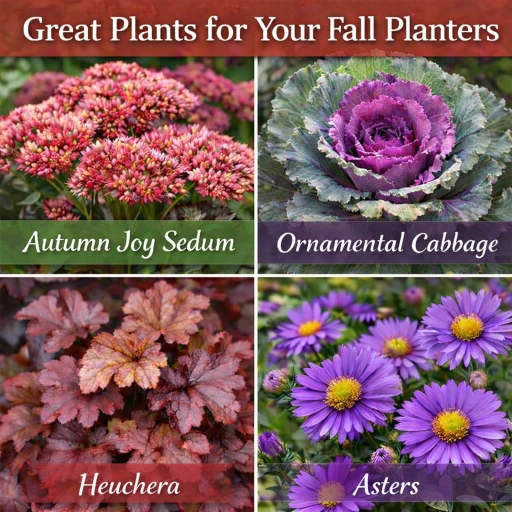
Pumpkins and other gourds come in a variety of shapes, sizes and colors, and can be easily planted in a seasonal container for display on your front porch. The traditional orange pumpkin is perhaps the most popular symbol of Halloween, but white, pink and green versions can also add a unique look to your space. While it’s always fun to carve a jack o’lantern, consider leaving a few pumpkins uncarved so they’ll last through the harvest season. Let Pleasant View Gardens design a seasonal container to accent your home or business for fall. Our custom design services in the Lake Minnetonka area use locally grown annuals to give your property a beautiful look. Contact us today for a free quote!