
Insights & Inspiration
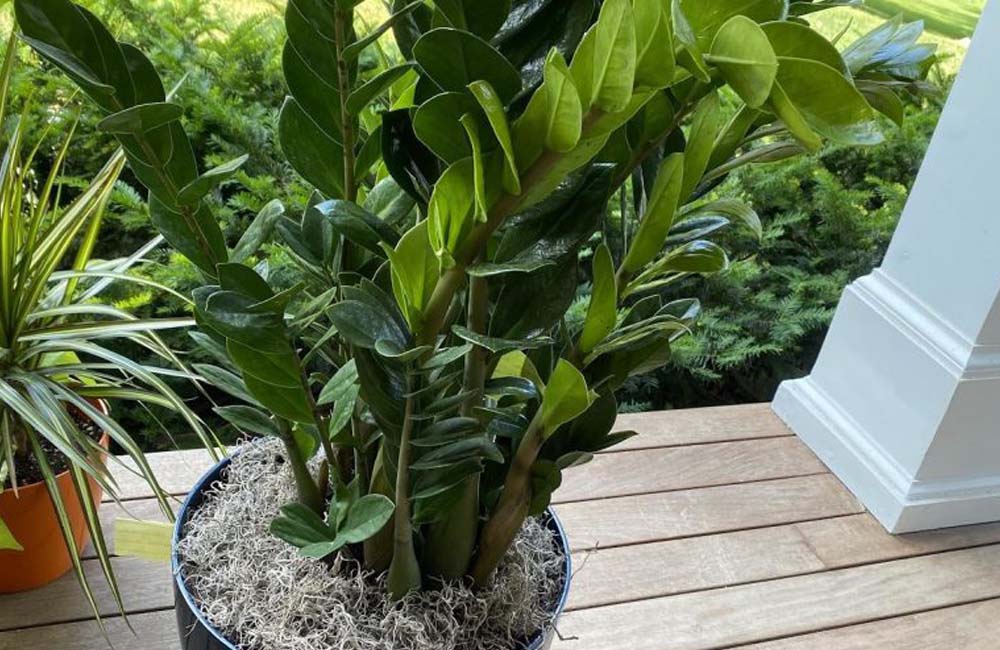
Houseplant Survival
by Barrie Anderson My eyes were following the soapy rag up and down the leaves of the Sansevieria my mother was washing. I couldn’t …

Fertilizing Evergreens
by Barrie Anderson As I sit here typing this and glance outside my window, I spot my neighbor fertilizing his Balsam Fir. This typically …

Juglone in Landscaping
The article discusses the impact of Black Walnut trees, specifically their biochemical Juglone, on surrounding plants. Juglone inhibits growth and competition through allelopathy, making gardening around Black Walnuts challenging. It offers strategies such as using raised beds and cleaning debris to mitigate the effects, while listing Juglone-resistant plants for successful gardening.
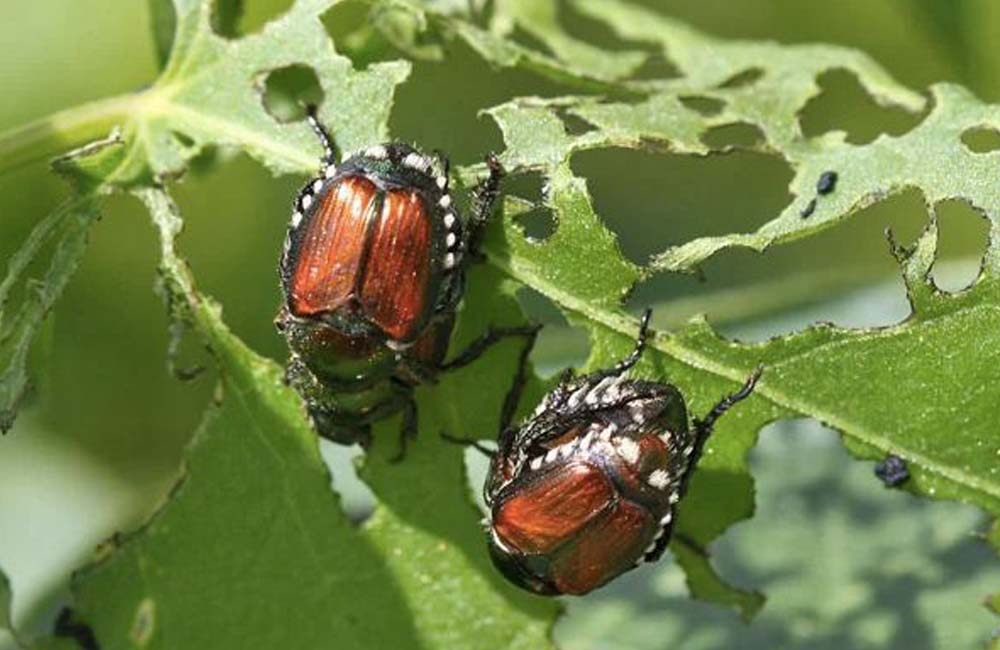
Crusade against Japanese Beetles
The very sound of the words, Japanese Beetles invokes irritation, frustration and gloom among Minnesota gardeners. We can see them in our minds chewing, crawling, and decimating our Roses, our tropical Hibiscus flowers, our Grapevines and….our souls!

Birch, Maple & Walnut tree Pruning
The article discusses pruning techniques for deciduous trees, specifically River Birches, Silver Maples, and Black Walnuts. It emphasizes the importance of pruning in June and July to minimize sap bleeding. Proper developmental pruning is essential for tree health, including removing crossover branches and avoiding stub cuts. The article highlights the unique challenges posed by Black Walnuts due to juglone toxicity.
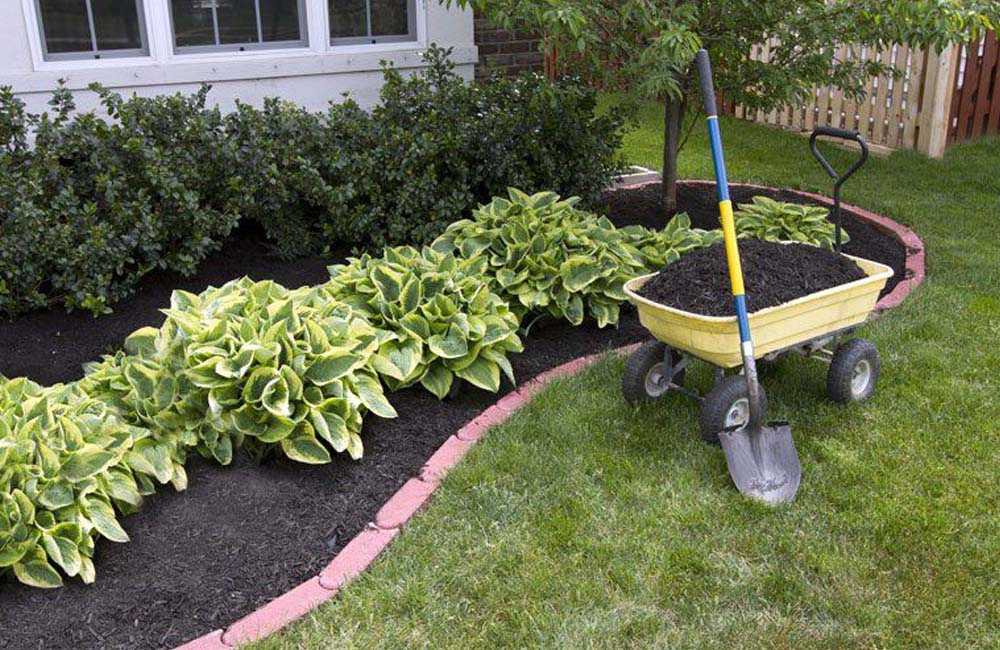
Mulch
Mulching offers numerous benefits for gardens, including moisture retention and weed prevention. Two types of mulch exist: inorganic, which is cost-efficient but nutrient-poor, and organic, which enhances soil health. Effective mulching requires proper application thickness and distance from plants to prevent fungal issues. Timing for mulching is flexible throughout the season.