
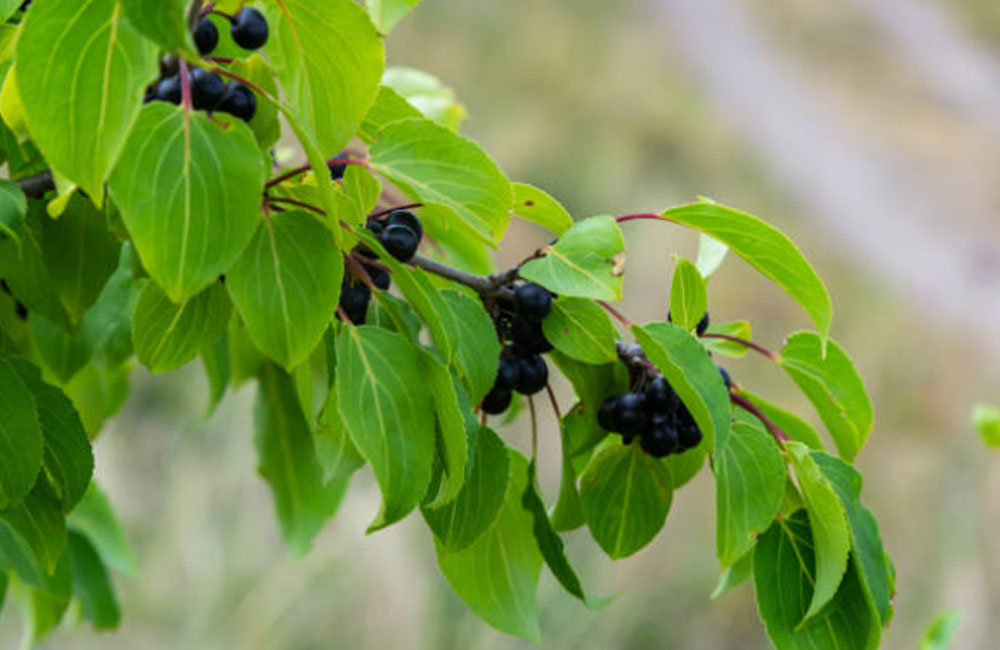
If you’ve noticed dense thickets of shrubs taking over your wooded areas or preventing your native plants from flourishing, you’re likely dealing with one of Minnesota’s most persistent ecological challenges: buckthorn.
The Hidden Cost of Ignoring Buckthorn
What starts as a few innocuous shrubs can quickly become a dominating force in your yard. Common Buckthorn (Rhamnus cathartica) and Glossy Buckthorn (Frangula alnus) weren’t always villains in our Minnesota gardens. These European and Asian natives were actually welcomed here in the 1800s as ornamental hedging plants, prized for their dense foliage and year-round privacy screening.
Fast forward to today, and buckthorn has become Minnesota’s most problematic invasive plant species.
What Makes Buckthorn So Destructive?
Unlike native shrubs that coexist peacefully within our ecosystems, buckthorn operates as an aggressive monopolizer. Here’s how it damages your property and local environment:
Nutrient Hijacking: Buckthorn roots aggressively compete with native plants, drawing water and nutrients away from the trees, flowers, and shrubs you actually want in your garden.
Chemical Warfare: This invasive species releases chemicals into the soil that actively suppress the growth of neighboring plants—a strategy called allelopathy that gives it an unfair advantage.
Wildlife Impact: While birds do eat buckthorn berries, these fruits provide poor nutrition compared to native alternatives. Worse, birds spread buckthorn seeds throughout your property and beyond, accelerating the invasion.
Ecological Simplification: Dense buckthorn thickets create plant deserts underneath, where nothing else can grow. This eliminates habitat diversity that native wildlife depends on for food and shelter.
Why DIY Buckthorn Removal Often Fails
Many property owners attempt to tackle buckthorn on their own, only to find themselves fighting the same plants year after year. Here’s why buckthorn is so difficult to eliminate without professional help:
Vigorous Regrowth: Simply cutting buckthorn to the ground stimulates the root system to send up multiple new shoots—often more aggressive than the original plant.
Hidden Root Networks: Mature buckthorn develops extensive root systems that can resprout even when you think you’ve removed the entire plant.
Seed Banks: Buckthorn seeds remain viable in soil for up to five years, meaning new plants can emerge long after you’ve cleared existing growth.
Timing Matters: Effective buckthorn control requires treatment at specific times of year when the plant is most vulnerable. Treating at the wrong time wastes effort and allows the invasion to continue.
The Pleasant View Gardens Approach to Buckthorn Management
At Pleasant View Gardens, we’ve spent over 50 years refining our approach to invasive species management in the Lake Minnetonka and West Metro area. Our buckthorn removal strategy focuses on long-term results, not quick fixes.
Our Proven Process
Initial Assessment: We map your property to identify all buckthorn locations and assess the severity of the infestation. This helps us create a realistic timeline and budget for complete eradication.
Prioritized Removal: We start by removing berry-producing plants first, immediately stopping seed spread. This strategic approach prevents the problem from expanding while we work on complete elimination.
Proper Treatment Methods:
- Small seedlings are hand-pulled with root systems intact when soil conditions are optimal
- Medium plants are removed using specialized extraction tools
- Large specimens (over 2″ diameter) are cut and immediately treated with appropriate herbicides to prevent resprouting
Responsible Disposal: We follow Minnesota Department of Agriculture guidelines for buckthorn disposal, ensuring removed material doesn’t contribute to spread elsewhere.
Native Restoration: Once buckthorn is eliminated, we help you replant with native trees, shrubs, and perennials that will naturally resist buckthorn reinvasion while supporting local wildlife.
Ongoing Maintenance: Buckthorn management requires vigilance. Our maintenance programs include regular monitoring and prompt removal of any new growth, typically needed for 3-5 years after initial removal.
The Long-Term Benefits of Professional Buckthorn Removal
Investing in professional buckthorn removal delivers returns that extend far beyond aesthetics:
Property Value Protection: Unchecked buckthorn invasion can actually decrease property values as it overtakes desirable plantings and creates maintenance headaches for future owners.
Reduced Long-Term Costs: While DIY attempts may seem economical initially, repeated failed efforts often cost more than hiring professionals from the start.
Restored Biodiversity: Removing buckthorn allows native plants to flourish again, bringing back butterflies, beneficial insects, songbirds, and other wildlife that buckthorn-dominated areas lack.
Community Impact: Every property that eliminates buckthorn reduces seed sources affecting neighboring lands, parks, and natural areas. You’re contributing to broader ecological restoration.
Peace of Mind: Professional removal means the job is done right the first time, with proper follow-up to ensure buckthorn doesn’t return.
Is Professional Help Right for Your Property?
Consider professional buckthorn management if:
- You have buckthorn plants larger than 2-3 feet tall
- Previous DIY removal attempts have failed
- Buckthorn covers more than a few hundred square feet
- You want to restore native plantings in affected areas
- You lack time or equipment for intensive manual removal
- You’re uncertain about safe herbicide application
Ready to Reclaim Your Property?
Buckthorn removal isn’t glamorous work, but it’s essential for protecting Minnesota’s natural heritage and the beauty of your own garden. At Pleasant View Gardens, we’ve helped hundreds of Lake Minnetonka and West Metro property owners win their battles against buckthorn.
Our team brings expert knowledge, specialized equipment, and proven techniques that deliver lasting results. More importantly, we understand the local ecosystem and can help you create a restoration plan that prevents buckthorn from returning.
Schedule your free buckthorn assessment today: Call us at (612) 978-3487 or visit www.pleasantviewgarden.com to arrange an on-site consultation. We’ll evaluate your property, explain your options, and provide a clear estimate for complete buckthorn elimination and native restoration.
612-978-3487 or www.pleasantviewgarden.com
Your garden—and Minnesota’s ecosystems—will thank you.
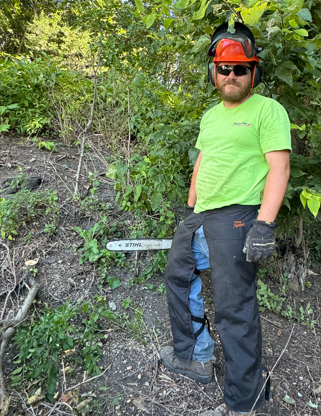
Pleasant View Gardens provides sustainable garden design, installation, and maintenance services throughout the Lake Minnetonka and West Metro area, with a special focus on native plant restoration and invasive species management.

