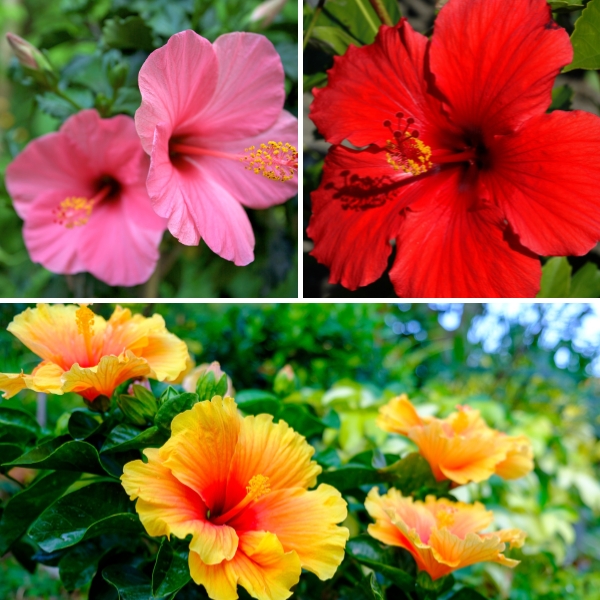

Hello fellow Minnesota gardeners! As we enter August, our gardens are flourishing thanks to the abundant rainfall we’ve experienced this spring and summer. While this has provided ideal growing conditions for our plants, it also necessitates careful attention to managing pests, diseases, and soil moisture levels as we navigate through the remainder of the growing season.

Scouting for Pests and Diseases
With the recent rainfall, it’s crucial to remain vigilant in scouting for common pests and diseases that thrive in humid conditions:
- Fungal Diseases: Keep an eye out for signs of fungal diseases such as powdery mildew, leaf spot, and blight. These often manifest as discolored patches, powdery coatings, or wilting leaves. Remove affected plant parts promptly to prevent further spread.
- Insect Pests: Increased humidity can lead to higher populations of insects like aphids, caterpillars, beetles, and slugs! Inspect your plants regularly, especially the undersides of leaves and new growth, where pests tend to congregate.
- Soil Health: Despite the rain, it’s important to monitor soil moisture levels closely, particularly during hot, sunny days. Excess water can lead to waterlogged soil and root rot, while dry periods may require supplemental watering to maintain plant health.
Managing Pest and Disease Issues
To effectively manage these challenges and maintain a thriving garden:
- Proper Watering: Check soil moisture levels regularly by inserting your finger into the soil near the plant roots. If the top inch feels dry, it’s time to water. Water deeply and infrequently to encourage deep root growth and drought tolerance.
- Mulching: Apply a layer of organic mulch around plants to help retain soil moisture, regulate temperature, and suppress weed growth. Mulching also reduces the likelihood of soil-borne diseases splashing onto plant foliage during heavy rains.
- Good Air Circulation: Trim back overgrown plants and ensure adequate spacing between them to improve air circulation. This reduces the humidity around plants and lowers the risk of fungal diseases taking hold.
- Integrated Pest Management (IPM): Implement IPM strategies by encouraging beneficial insects and natural predators, such as ladybugs and lacewings, which prey on garden pests. Planting diverse species attracts beneficial insects that help keep pest populations in check. Avoid broad-spectrum pesticides that can harm beneficial insects, if necessary spray early morning or night when pollinators are less active.
- Crop Rotation: If you have a vegetable garden, practice crop rotation to prevent the build-up of pests and diseases specific to certain plant families. Rotate crops annually to maintain soil health and productivity.
Looking Ahead
As we progress through August and prepare for the transition into fall, continue to monitor your garden closely. By staying proactive with pest and disease management, maintaining optimal soil moisture levels, and practicing good gardening practices, you’ll enjoy a healthy and productive garden throughout the season.
Remember, gardening is a labor of love that rewards us with beautiful blooms, bountiful harvests, and a deeper connection to nature. Embrace the challenges and joys of gardening in Minnesota, and may your gardens continue to thrive! Happy gardening, everyone!