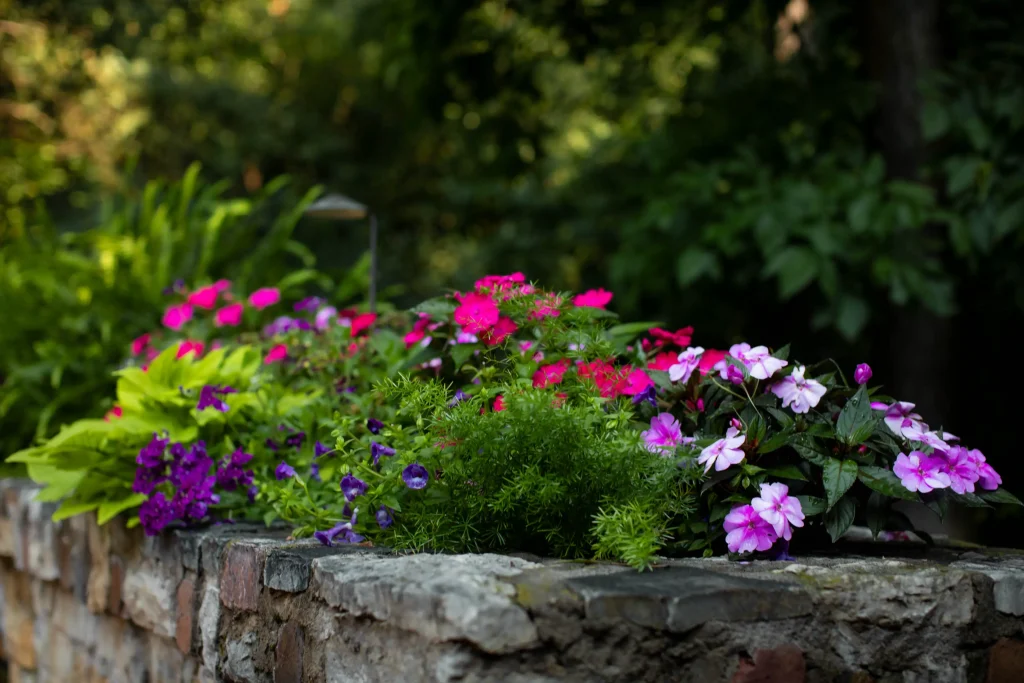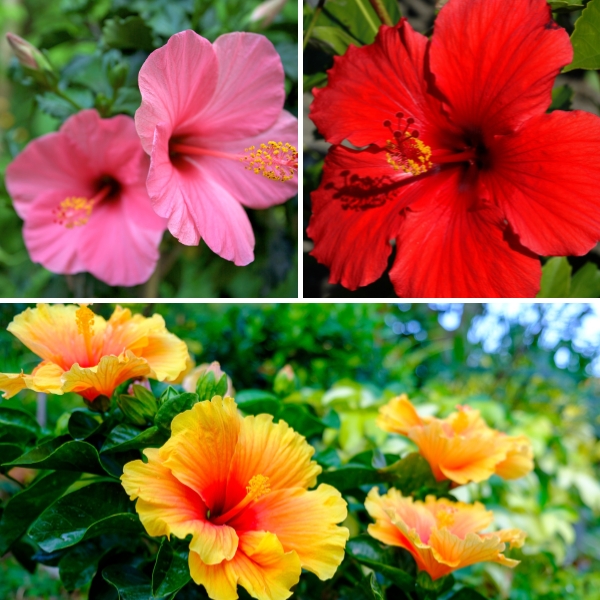
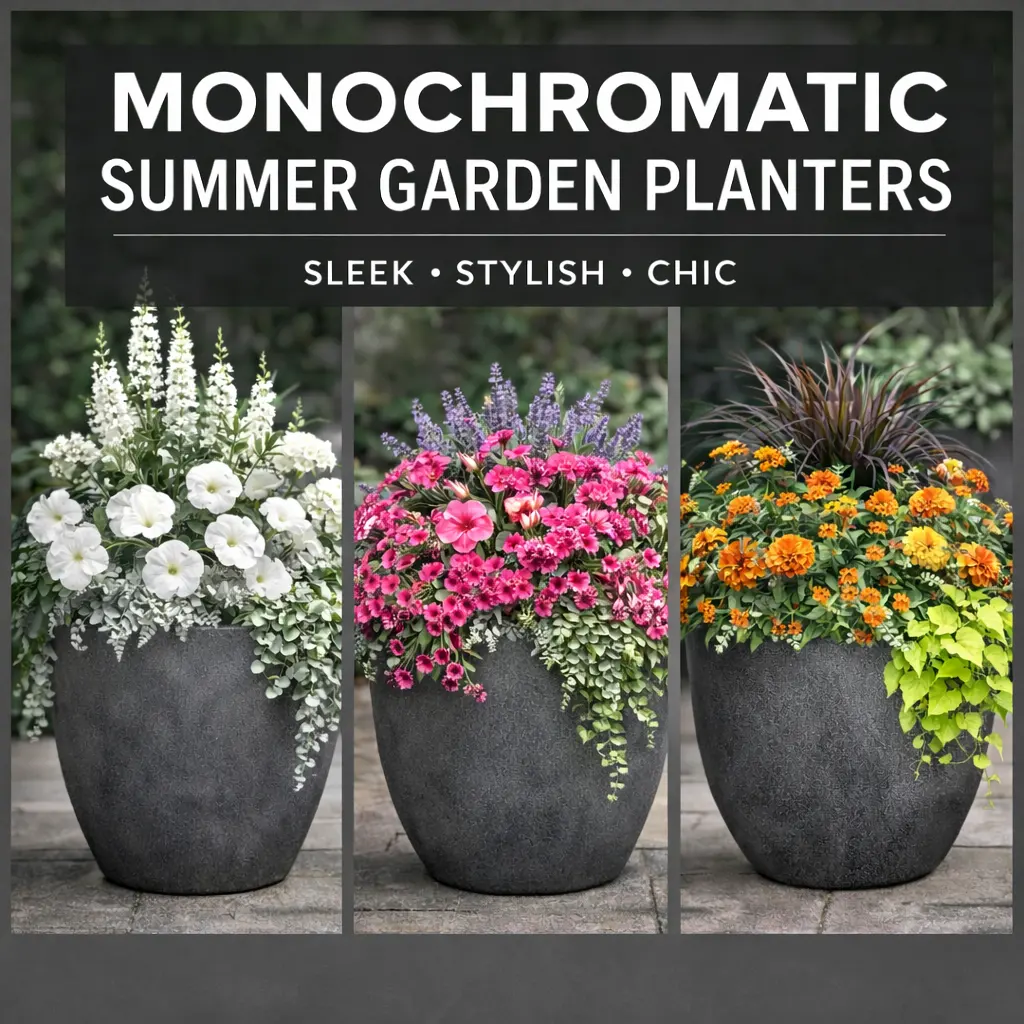
Monochromatic container gardens are the gardening equivalent of working with a paint strip in your hand. All the shades of one color, stacked from light to deep, working together in perfect harmony. The result is classy, cohesive, and a guaranteed way to make even a small container look intentional and polished. When you limit a planter to a single color family, shape, texture, and tone become the stars of the show.
Pick Your Hue
Start by choosing your color: soothing blues, vibrant reds, soft peaches, lush greens, or moody purples. Once you select your “paint strip,” explore every shade it offers. Pair pale tints with medium tones and rich, saturated versions of the same color. Think soft lavender with violet and plum, or buttery yellow with sunflower gold. This range adds depth and dimension without ever breaking the monochromatic theme.
Build Structure with Thriller, Filler, Spiller
From there, structure is everything, and that’s where the classic thriller, filler, spiller combo keeps your container from feeling one-note.
Thrillers are your tall, dramatic stars, the attention-grabbers. Choose a centerpiece plant that fits the color family, like purple fountain grass for a plum palette, a chartreuse canna for green-on-green, or a creamy variegated dracaena in an all-white scheme. Height and bold form keep the eye moving upward.
Fillers create the lush, rounded layer that supports the thriller. Look for mounded plants in coordinating shades, playing up texture to keep things interesting. Pair smooth leaves with ruffled ones, matte foliage with glossy, or mix bloom sizes to build richness without clashing colors.
Spillers soften the edges and tie the whole palette together. Trailing verbena in deep violet, creeping jenny in lime green, or cascading white bacopa each add a graceful finish that completes the tone-on-tone look.
Don’t Overlook Foliage
Foliage often delivers more reliable shades of your chosen color than flowers do. Variegation, leaf shape, and subtle shifts in tone all help your monochromatic container garden feel layered rather than flat.
In the end, monochromatic container gardens are the gardening equivalent of a perfectly coordinated outfit. Unified, stylish, and effortlessly impactful, all thanks to that trusty “paint strip” approach.
Ready to Design Your Own Monochromatic Container Garden?
Designing a container garden that looks effortless takes a practiced eye for color, structure, and plant pairing. If you want help selecting the right plants, building the perfect thriller, filler, spiller combination, or designing a full outdoor container plan tailored to your space, our team is here to help. Contact us today to bring your monochromatic container garden vision to life.