
Spring in Minnetonka, Wayzata, and surrounding areas brings new life to gardens, and it’s an opportune time to rejuvenate your perennial beds by dividing and transplanting certain plants.

Why Divide Perennials in Early Spring?
Early spring is an excellent time to divide those perennials that bloom during the summer and fall. Early spring dividing gives the plants plenty of time to start growing and becoming established before the heat of summer arrives.
There are many reasons to divide a plant such as becoming crowded in its current location or if the plants have developed a donut look – which means all the growth is in a circle with the center looking dead.
Overcrowding is a common issue in perennial beds, leading to reduced flowering and overall plant health. Dividing allows you to alleviate this overcrowding, giving each plant more space to grow and thrive.
How to Divide Perennials
When you notice new growth emerging from your perennials in early spring, it’s time to divide them. Begin by carefully lifting the entire plant and root ball from the soil using a garden fork or shovel. Once removed, gently tease apart the root ball into several smaller sections, ensuring each division has both roots and foliage.
For tougher root systems, a serrated knife can be used to make clean cuts. Be mindful to avoid damaging the roots excessively. These divided sections can then be replanted elsewhere in your garden at the same depth as they were previously planted.
If you find yourself with surplus divisions, consider sharing them with gardening friends and neighbors. It’s a great way to spread plant diversity and foster community connections.
Caring for Newly Divided Plants
After transplanting, it’s crucial to provide adequate moisture to newly divided plants. Keep the soil consistently moist for three or more weeks until the plants become established. Once established, fertilize the divided plants with a balanced, all-purpose plant food to encourage robust growth and vibrant blooms throughout the season.
Perennials Best Divided in Spring in Minnesota
Certain perennials respond exceptionally well to spring division in Minnesota’s climate. Among these are:
- Asters
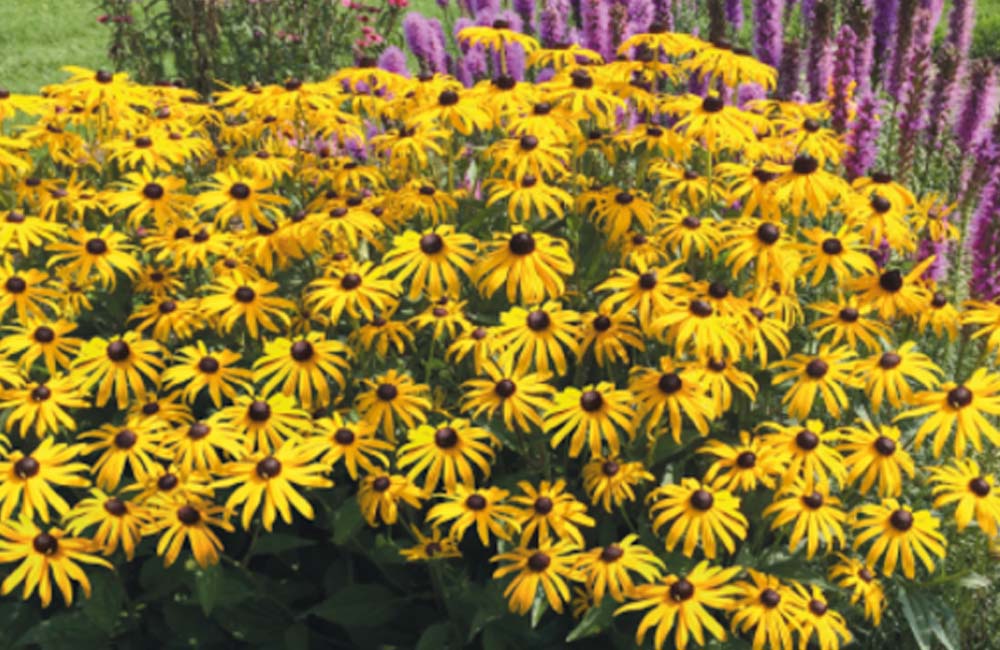
- Black-Eyed Susan (Rudbeckia)
- Echinacea (Coneflowers)
- Ferns
- Hardy Geraniums (Cranesbills)
- Hostas
- Liatris (Blazing Star)
- Monarda (Bee Balm)
- Nepeta (Catmint)
- Penstemon
- Phlox
- Sedum (Stonecrop)
- Shasta Daisy (Leucanthemum)
- Yarrow
Final Thoughts on Dividing Perennials
While early spring is ideal for dividing many perennials, it’s essential to note that some species, such as peonies, daylilies, and iris, are best divided in the early fall.
By following these guidelines and understanding the unique needs of your plants, you can maintain a thriving garden that delights the senses and sustains local biodiversity.
As always, feel free to contact us or read more about our process.

