cool weather loving veggies
With the arrival of spring, we all get the urge to get out into the veggie garden and start planting. What to plant when should not be determined by a date on the calendar or the daytime temps but rather by soil temperatures. You can buy a soil thermometer, which will accurately indicate your exact soil temperatures, or go online and find soil temps in your area.
With the arrival of spring, we all get the urge to get out into the veggie garden and start planting. What to plant when should not be determined by a date on the calendar or the daytime temps but rather by soil temperatures. You can buy a soil thermometer, which will accurately indicate your exact soil temperatures, or go online and find soil temps in your area.
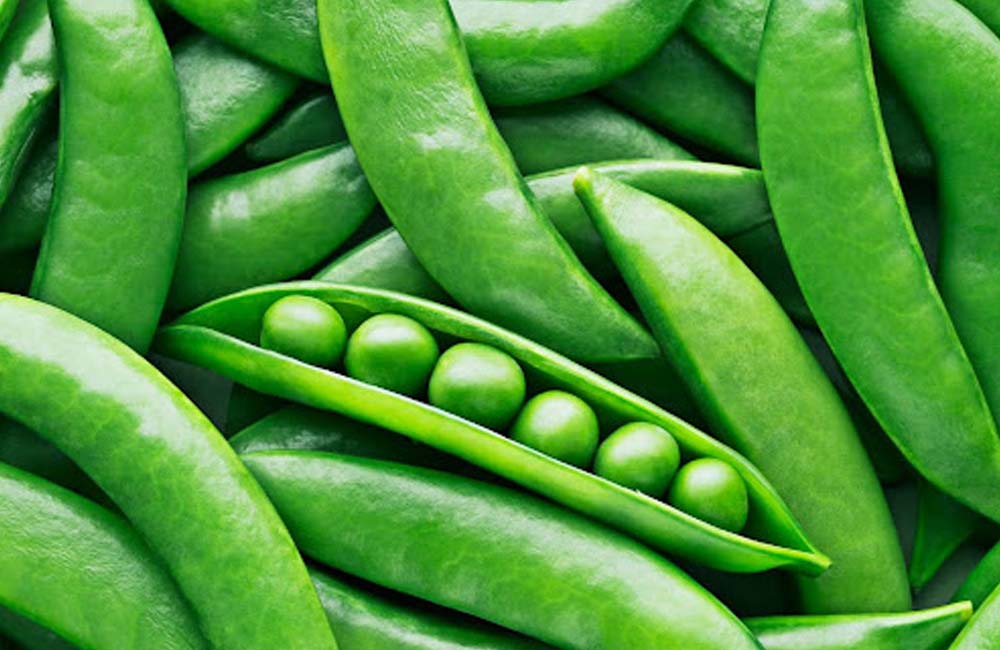
Cool-season veggies are the first to be planted, as they can tolerate a bit of frost and cooler nights. These plants can go into the ground when the soil temperatures are consistently 40° or higher. The cool-weather crops include cabbage, cauliflower, broccoli, kale, lettuce, radish, spinach, and peas. Plant these crops as soon as the soil temperatures hit 40° and then follow up with a second planting a couple of weeks later to extend your harvest.
Warm-season crops (tomatoes, peppers, eggplant, vine crops) should be planted when soil temperatures are consistently at 60° or more, which in the Twin Cities area is often around May 15. These plants don’t like cool air or soil temperatures. Planting too early can often leave the plants stunted and slow to start growing even when temps warm up, so resist the urge to plant until the soil is warm enough.
After Labor Day, as temps start cooling down, many cool-season veggies can be planted again. Some of our fall favorites to plant again include lettuce, radish, peas, and spinach.
We are here to help
If you have any questions or want to call in a local garden expert, get in touch with Pleasant View Gardens and we will be happy to help!
Pleasant View Gardens
Long Lake, MN 55356