
When fall rolls around and the garden starts to quiet down, monarch butterflies are anything but done. This is the season when they’re fueling up for one of the most astonishing migrations on the planet—a multi-generation flight that can span thousands of miles, ending in the oyamel fir forests of central Mexico. To make that journey, they need energy. And not just a snack… they need a full-on insect version of a truck-stop buffet. That’s where nectar-rich fall bloomers come in.
Fall-blooming plants provide the carbohydrates monarchs convert into fat reserves—fuel they absolutely must have to survive the long flight and overwintering period. Nectar quality matters, too. Flowers with consistent, accessible nectar help monarchs conserve energy while foraging, and species that bloom well into October are especially helpful for late-season migrants up here in the upper Midwest. Think of it as giving them the “premium fuel” option before they head south.
Another technical piece of the puzzle: fall nectar availability helps stabilize migratory timing. When monarchs encounter reliable nectar sources, they’re able to travel efficiently and maintain proper physiological cues for diapause (their overwintering sleep mode). Without enough nectar in fall, individuals may become weakened, delay migration, or fail to reach their destination altogether. In short, your autumn garden can literally tip the scales between life and death for these iconic butterflies.
Here are 10 great fall nectar plants for migrating monarchs (native vs. cultivar noted):
New England aster (Symphyotrichum novae-angliae) – Native
Smooth blue aster (Symphyotrichum laeve) – Native
Stiff goldenrod (Solidago rigida) – Native
Showy goldenrod (Solidago speciosa) – Native
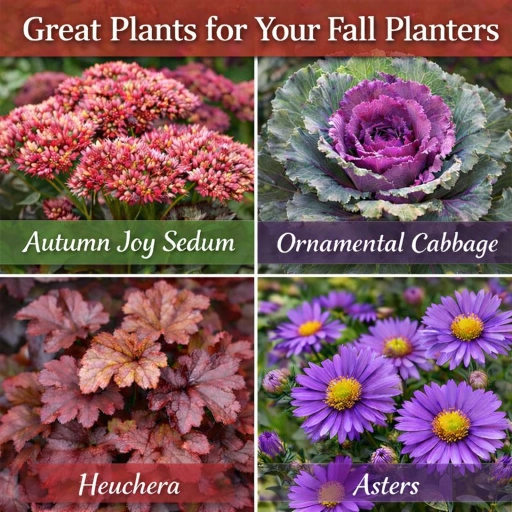
Sunny Sedum ‘Autumn Joy’ (Hylotelephium telephium ‘Autumn Joy’) – Cultivar
Joe Pye Weed (Eutrochium purpureum or maculatum) – Native
Blazing star / Liatris ligulistylis – Native
Mexican sunflower (Tithonia rotundifolia) – Cultivar / non-native annual
Black-eyed Susan ‘Goldsturm’ (Rudbeckia fulgida ‘Goldsturm’) – Cultivar
Purple coneflower (Echinacea purpurea) – Native species