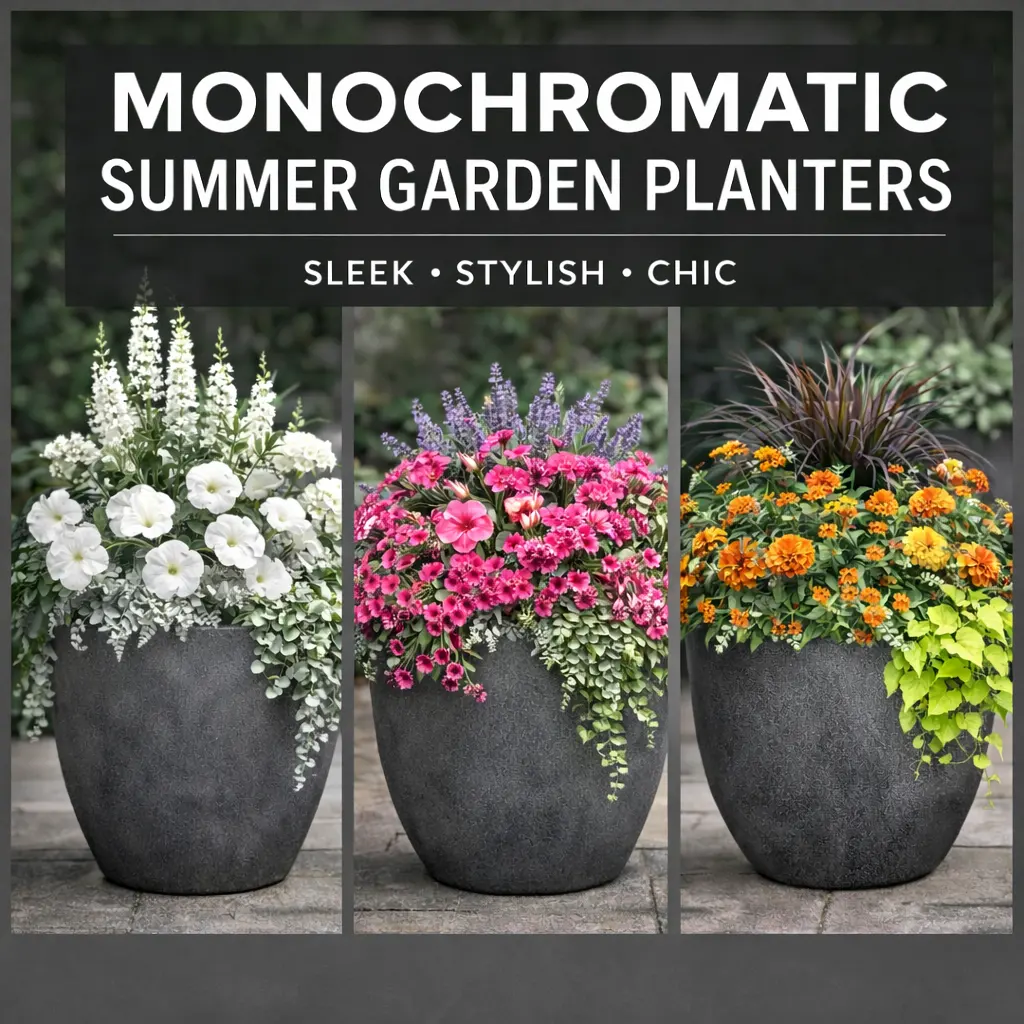
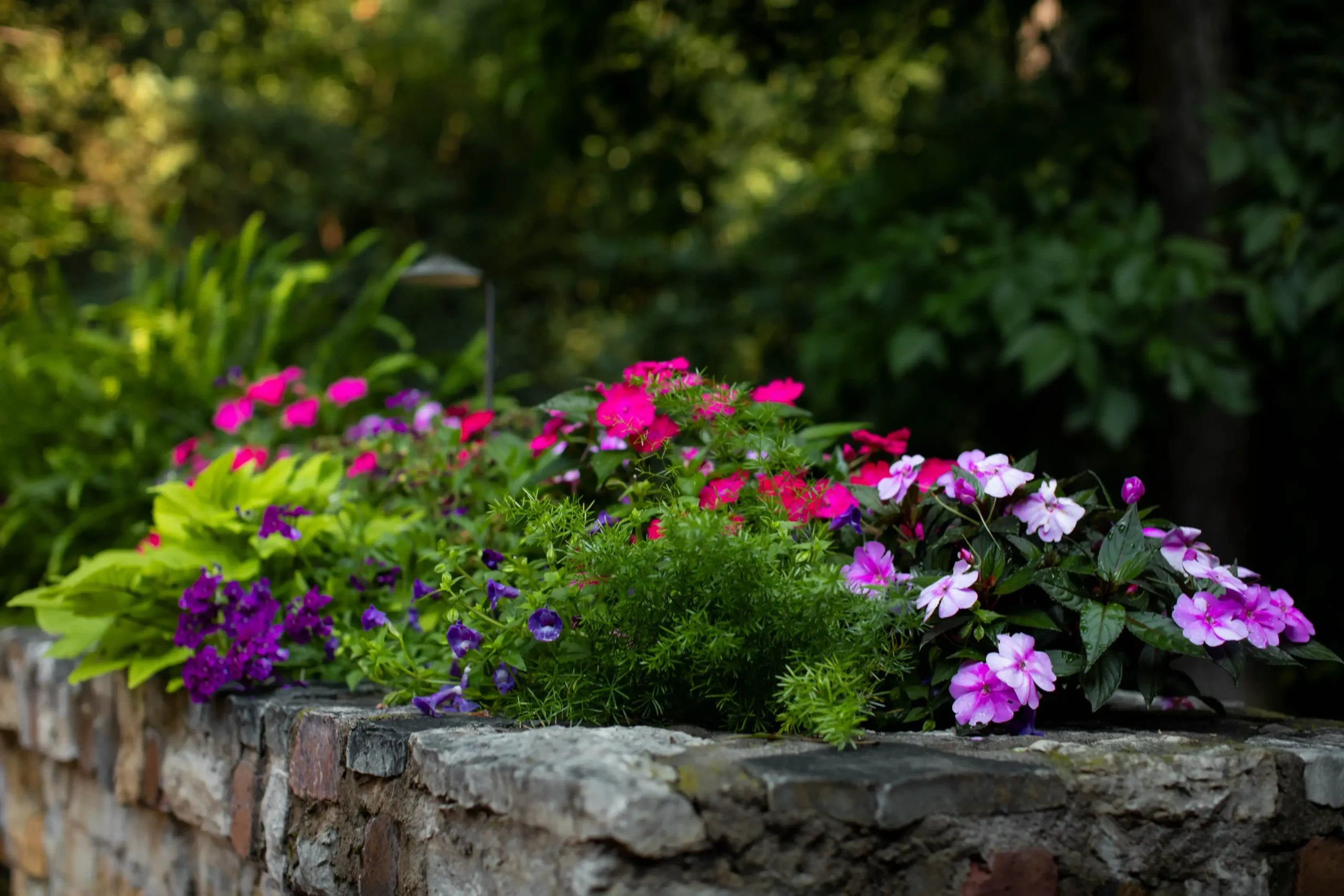
Here in zone 4, where our warm season is short but intense, consistent fertilizing is one of the best ways to keep those plants looking full instead of tired by August.
Containers dry out quickly, and every time you water, nutrients leach out of the soil. That’s why fertilizing isn’t optional; it’s maintenance. Most annuals—petunias, calibrachoa, begonias, coleus, and the rest of the summer crew—are heavy feeders. Without supplemental nutrition, they’ll slow down, stretch out, or stop blooming altogether.
A good strategy is to combine slow-release fertilizer with water-soluble fertilizer. Slow-release products are mixed into the potting soil at planting time. They provide a steady, predictable nutrient supply for weeks. In the heat of July, that extra boost keeps plants from stalling. Still, slow-release fertilizer alone often isn’t enough for high-performance containers.
That’s where water-soluble fertilizers come in. These are mixed with water and applied every 1–2 weeks during active growth. They deliver nutrients immediately, which is especially helpful for fast-growing or heavy-blooming annuals. If your planters are drying out and needing water daily you may even fertilize weekly, since frequent watering flushes out nutrients more quickly.
By midsummer, a consistent routine of both types keeps foliage lush and flowers abundant. Think of it like a tag-team: slow-release for the baseline, water-soluble for the quick hits.
Examples
Slow-release: Osmocote Slow Release, Jobe’s Container Fertilizer Spikes
Water-soluble: Miracle-Gro All Purpose, Jack’s Classic Blossom Booster, Schultz All-Purpose Liquid Feed
Frequently Asked Questions
Q: How often should I fertilize annuals in containers?
A: Apply water-soluble fertilizer every 1 to 2 weeks during active growth, on top of slow-release fertilizer mixed into the soil at planting. If your planters need water daily, you can fertilize weekly, since frequent watering flushes nutrients out faster.
Q: What is the difference between slow-release and water-soluble fertilizer?
A: Slow-release fertilizer is mixed into potting soil at planting and feeds plants steadily for weeks. Water-soluble fertilizer is mixed with water and delivers nutrients immediately, which helps fast-growing and heavy-blooming annuals.
Q: Why do my container annuals stop blooming in August?
A: Containers dry out quickly, and every watering leaches nutrients from the soil. Without supplemental feeding, heavy feeders like petunias and calibrachoa slow down, stretch out, or stop blooming. Consistent fertilizing keeps them full through late summer.
Q: Is slow-release fertilizer enough for container plants?
A: Often not for high-performance containers. Slow-release provides a steady baseline, but heavy-blooming annuals also benefit from water-soluble fertilizer every 1 to 2 weeks during active growth.
Q: Which annuals are heavy feeders?
A: Most summer annuals are heavy feeders, including petunias, calibrachoa, begonias, and coleus. They need supplemental nutrition to keep growing and blooming through the season.
Q: Does frequent watering wash fertilizer out of pots?
A: Yes. Each watering leaches nutrients from container soil, and pots that dry out daily lose nutrients fastest. That is why frequently watered planters may need weekly feeding.
Q: What fertilizer products work well for container annuals?
A: For slow-release, options include Osmocote Slow Release and Jobe’s Container Fertilizer Spikes. For water-soluble, options include Miracle-Gro All Purpose, Jack’s Classic Blossom Booster, and Schultz All-Purpose Liquid Feed.