
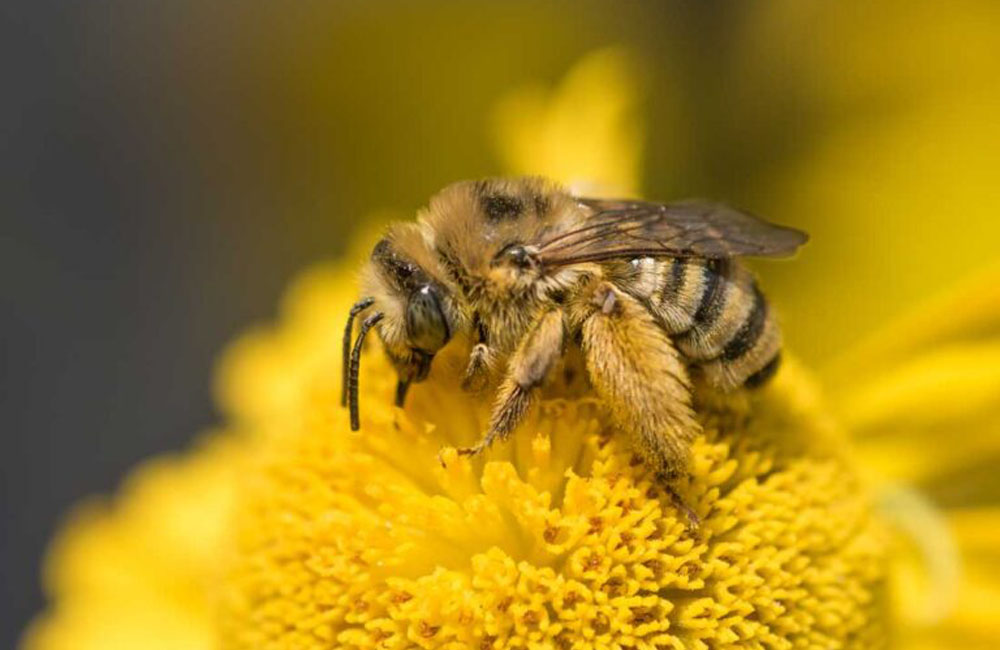
When the temperatures have dropped and the last leaves have fallen, you might be tempted to do some cleanup and prepare your garden for a long winter’s nap. Before you bring out the rake, consider leaving those dead leaves and plant material as a shelter for overwintering pollinators. Many bees, moths, and butterflies can stick around throughout the winter and would be grateful for some extra protection against the harsh weather. Some species hibernate and take shelter under dried leaves or tree bark, while others overwinter as a chrysalis or caterpillar.
The Dos and Don’ts of Helping Pollinators
Pollinators are some of the most important creatures in our ecosystem, so we encourage you to take some simple steps that will support their survival:
- Don’t remove leaves—Bumble bee queens and butterfly larvae will stay protected in leaves that remain on the ground. Brown leaves and other garden debris might look a little messy, but think of it as one less chore you have to do!
- Do examine rocks and logs—Many species like to hibernate under rocks or logs, so make sure to check for any critters before moving or disposing of these items.
- Don’t prune without checking—Before pruning your perennials, take some time to check for insects that are nesting in the cavity. Some pollinators will “cap” their nests with leaves or other material, making them a little easier to identify. If you find any nests, you can cut the stems 6-12” from the entrance and store them in a cool, dry place for the winter.
- Do avoid disturbing the ground—Try not to dig into the ground more than 6”, as this can potentially disturb nests that are below the surface.
Learn More with Pleasant View Gardens
Minnesota is home to a wide variety of native pollinators that bring beauty to our gardens. It’s important to protect these species in the winter months so they can thrive in the spring. Pleasant View Gardens is passionate about teaching home gardeners the value of pollinators so contact us to find out more ways to help.


I live in North New Jersey. Happily I have left my dead heads through the winter. When should I cut them down? Can they just be left and the new growth with do the work?
Darrell, you will want to cut back the old growth in early spring when you start to see new growth emerge. Thank you.