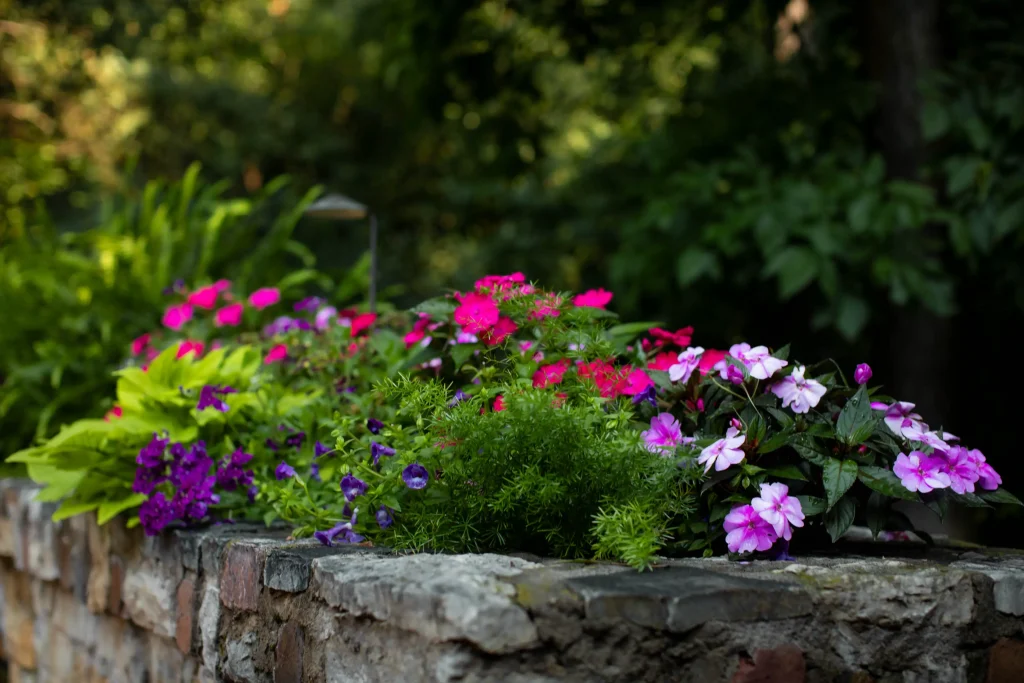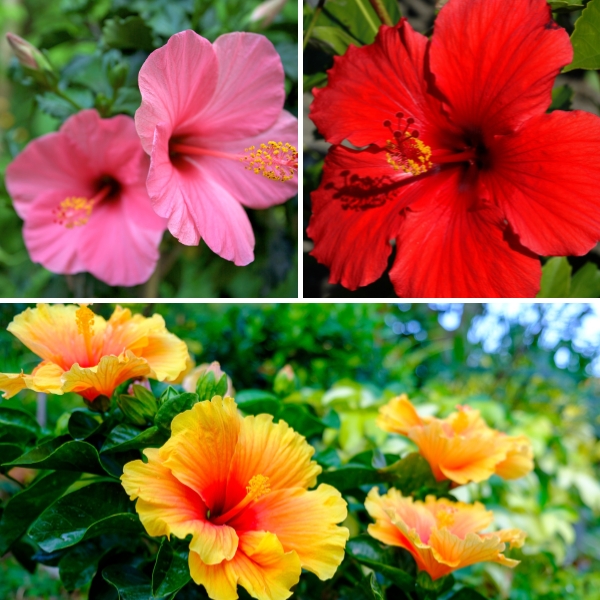
Creating a pollinator garden is a rewarding way to support local ecosystems and attract bees, hummingbirds, butterflies, birds, and other pollinators to your yard. Here are eight tips to get you started:
1. Choose native plants
- Native plants are adapted to your local climate and soil, making them easier to grow and more beneficial to native pollinators. These plants and the pollinators they attract have evolved together.
- Research what grows naturally in your region and include a variety of species.
2. Plant in full sun
- Most butterflies, bees and other insects thrive in sunny environments, so choose a location that gets at least 6 hours or more of sunlight daily.
- Ensure your plants are suited for sunny conditions to promote growth and attract pollinators.
3. Provide a variety of flowers
- Plant flowers with different shapes, sizes, and colors to attract a wide range of pollinators.
- Choose plants or a selection of plants, that bloom continuously from early spring to late fall to provide a consistent food source.
4. Avoid pesticides and herbicides
- Even organic pesticides can be detrimental to pollinators. Use natural methods for pest control instead such as hand removing Japanese beetles or using a hose to wash off aphids.
- Consider companion planting to repel pests naturally.
5. Include host plants
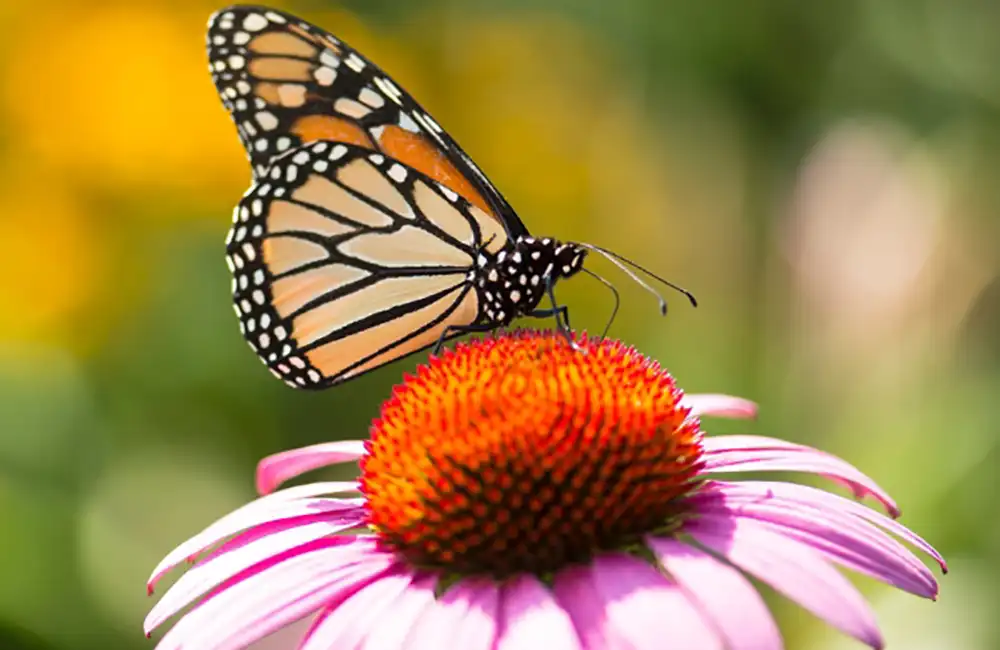
- Include plants that caterpillars or larval pollinators need to grow. The most well known host plant is milkweed which is absolutely essential for the life cycle of monarch butterflies. Another example is carrots, dill and fennel plants which are host plants for the Black Swallowtail butterfly.
6. Create habitat features
- Add rocks, logs, or bare soil for ground-nesting bees.
- Install bee houses, butterfly puddling stations, or bat boxes for additional shelter.
7. Provide a Water Source
- Offer shallow dishes of water with pebbles or create a small pond for pollinators to safely drink.
- Replace the water regularly to avoid attracting mosquitoes.
8. Plant in clusters
- Group flowers of the same species together to make it easier for pollinators to locate food.
- Larger, colorful patches are more inviting and efficient for pollinators.
By incorporating these tips, your pollinator garden will flourish and provide a vital resource for pollinators while beautifying your space. 🌸🐝🦋
If you are looking for help creating, installing or maintaining your pollinator garden in the Wayzata or West Metro area of the Twin Cities, contact Pleasant View Gardens at 612-978-3487 or click here to schedule a free consultation.