
Insights & Inspiration

Fall plants for monarch butterflies
When fall rolls around and the garden starts to quiet down, monarch butterflies are anything but done. This is the season when they’re fueling …
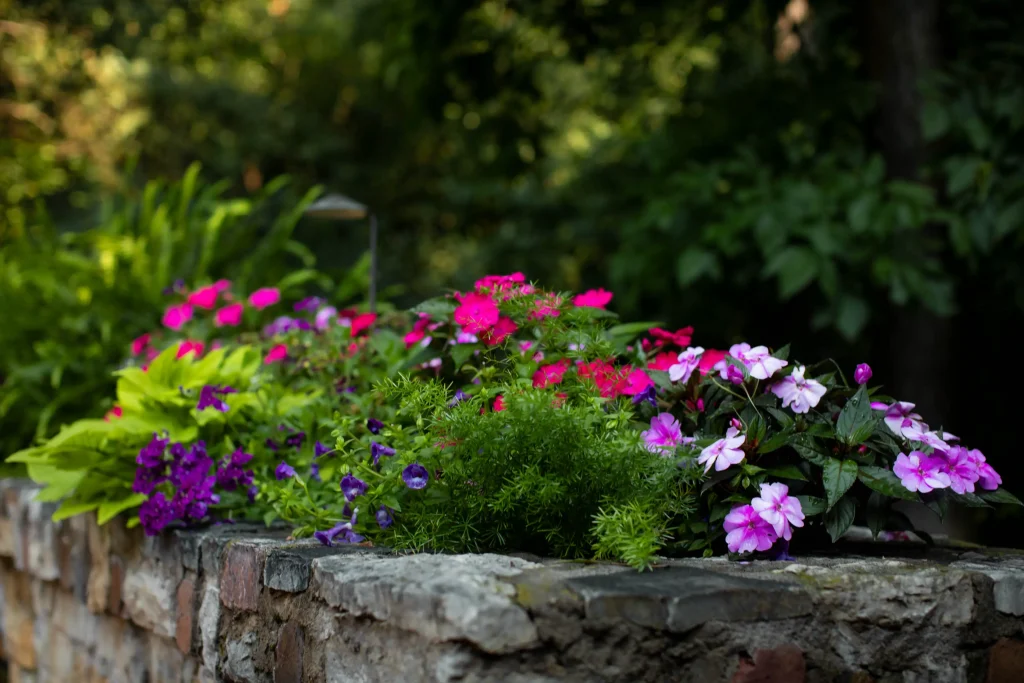
Summer Annuals Fertilizing
In zone 4, maintaining vibrant container plants requires consistent fertilization due to quick drying out and nutrient leaching. Combining slow-release fertilizers at planting with water-soluble options every 1-2 weeks ensures sustained growth and blooming. Heavy feeders like petunias and begonias thrive best with this dual approach throughout the summer.
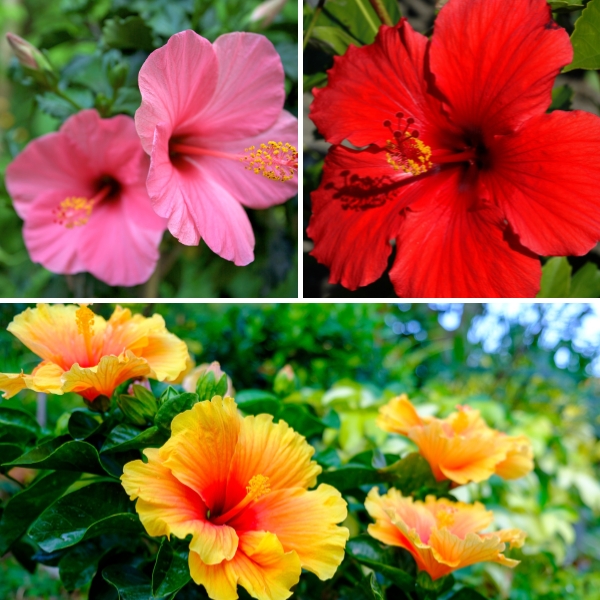
Tropical Hibiscus
To keep tropical hibiscus thriving in Minnesota Zone 4, provide 6–8 hours of direct sun, maintain consistently moist but well-draining soil, and fertilize every 7–10 days. Protect them from stressors like cold nights and pests. Regular grooming and consistent care yield lush plants and abundant blooms throughout summer.
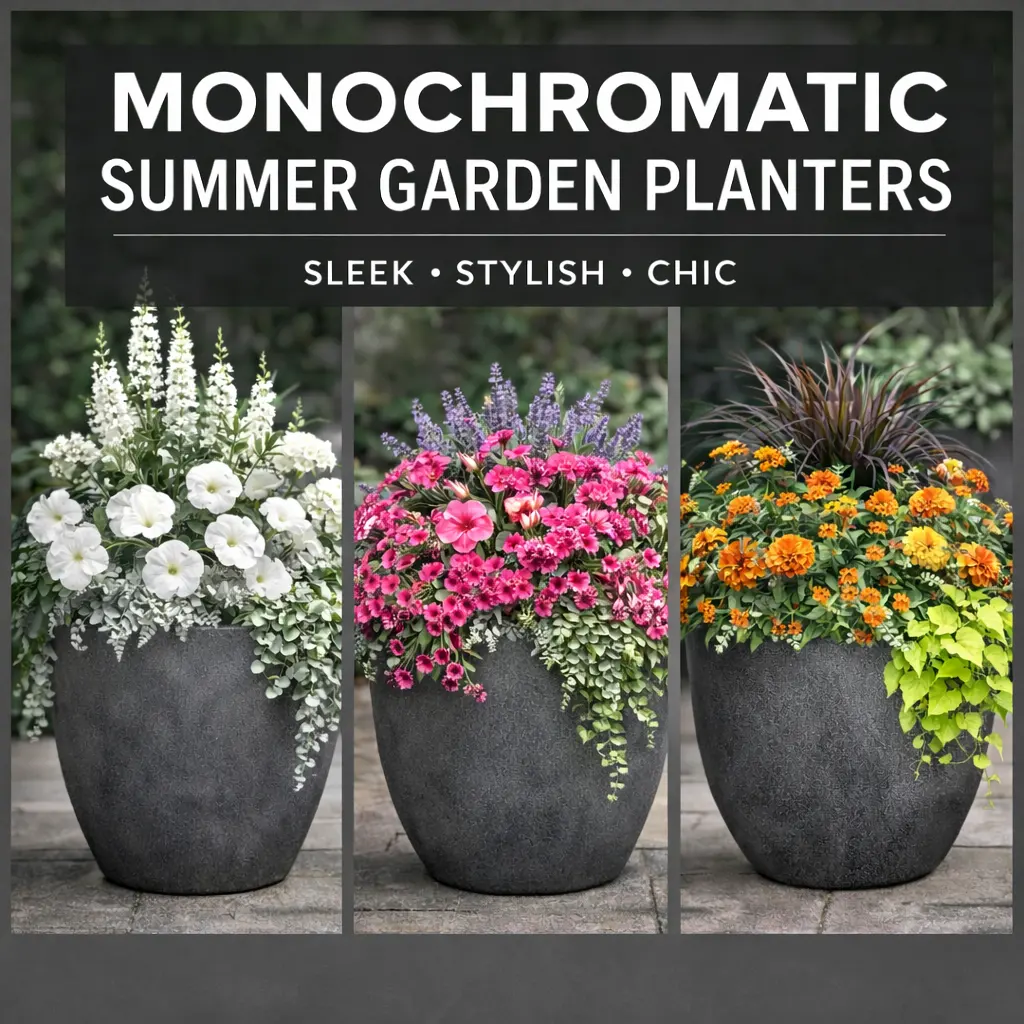
How to Design Stunning Monochromatic Container Gardens
Monochromatic container gardens use shades of a single color to create a cohesive and elegant look. By selecting a hue and pairing varying tones, gardeners can emphasize shape and texture. Incorporating thrillers, fillers, and spillers adds structure and beauty, while foliage enhances the design’s depth. Achieve a stylish, impactful arrangement effortlessly.
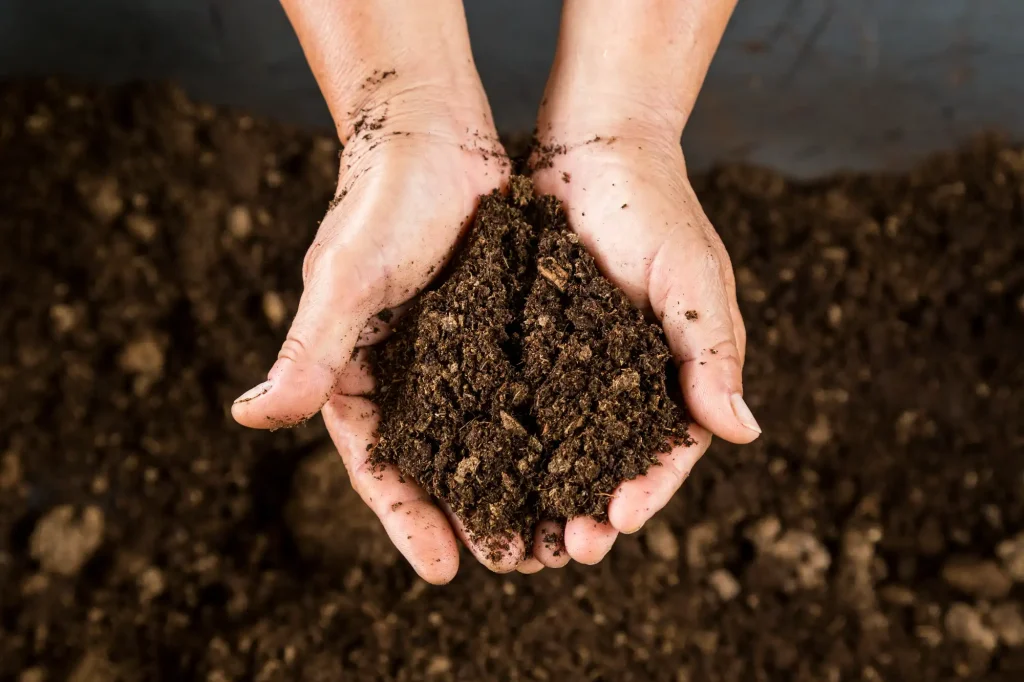
Why Adding Compost to Your Vegetable Garden Every Year Matters
Incorporating compost annually into vegetable gardens significantly enhances soil health by improving structure, nutrient availability, and biological activity. It promotes better root growth, provides slow-release nutrients, increases water retention, and supports beneficial microorganisms. These cumulative benefits lead to healthier, more productive gardens, reducing the need for external inputs.

How to Grow Clematis with Climbing Roses in Zone 4: A Complete Planting and Care Guide
Clematis and hardy climbing roses are ideal for cold-climate vertical gardens, particularly in Zone 4 Minnesota. This guide outlines the best varieties, planting techniques, and maintenance tips, ensuring vibrant, layered blooms on trellises or fences. Key points include selecting hardy roses, suitable clematis types, proper training, and winter protection strategies.