
Here in Minnesota, winter is long, gray, and not exactly prime time for growing your own produce. Enter microgreens — the tiny, fast-growing greens that give you a garden harvest in the middle of January. They’re easy, fast, and surprisingly nutritious, which makes them perfect for winter growing.
Microgreens are simply young vegetable and herb seedlings harvested when they’re about 1–3 inches tall, just after their first true leaves appear. They pack a lot of flavor and nutrition into a very small package, and many are ready to harvest in just 7–14 days.
Top 5 microgreens to grow at home:
- Radish — very fast, spicy, and colorful
- Broccoli — mild flavor and very nutrient dense
- Pea shoots — sweet, tender, and great for salads and stir-fries
- Sunflower — crunchy with a nutty flavor
- Arugula — bold, peppery, and a little goes a long way
You’ll also often find mixed microgreen seed packets at your local garden center, which are great for beginners and give you a nice blend of flavors and textures in one tray.
And don’t overlook what you already have — if you have leftover seeds from last season like beets, chard, kale, mustard, or even herbs, many of those make excellent microgreens. It’s a great way to use up older seeds while getting fresh greens.
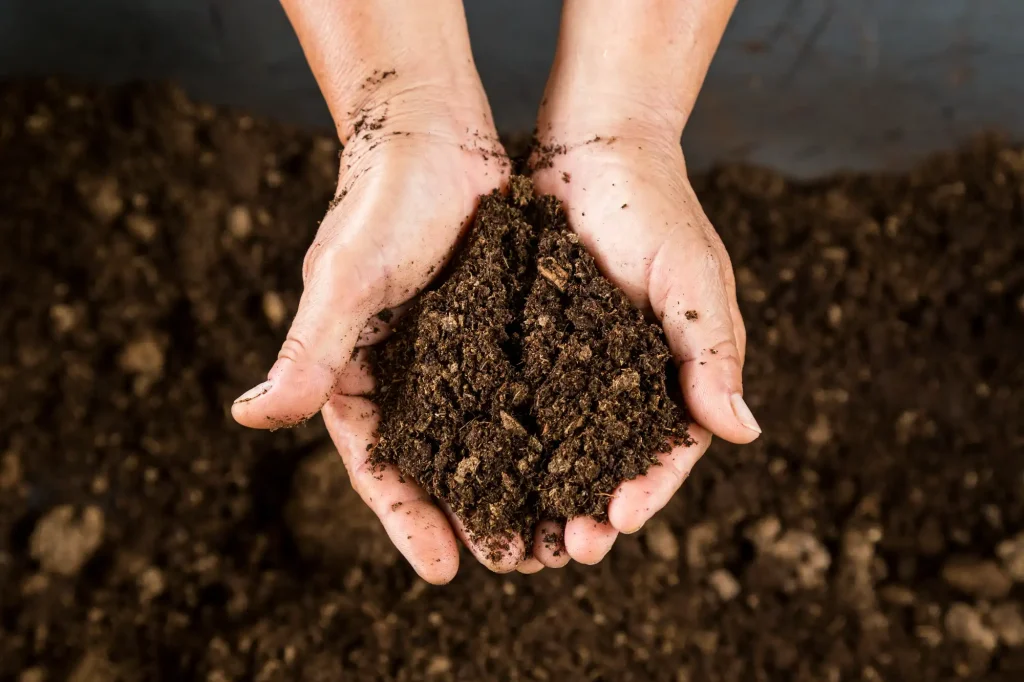
To grow them, you don’t need fancy equipment. A shallow tray (with or without drainage holes), a lightweight potting mix or seed-starting mix, and a bright window or grow light will do the job. Fill the tray with about an inch of moist soil, sprinkle seeds densely across the surface, gently press them in, and lightly cover with a thin layer of soil (except for very tiny seeds, which can stay uncovered). Mist well and cover the tray with a humidity dome or another tray for the first few days to keep moisture in and encourage even germination.
Once the seeds sprout, remove the cover and place the tray under bright light. In winter, a sunny south-facing window can work, but a small grow light makes a big difference and prevents the seedlings from stretching and flopping over. Keep the soil evenly moist but not soggy — bottom watering works especially well to avoid mold and damping-off.
Harvest when the plants are 1–3 inches tall by cutting them just above the soil line with clean scissors. Rinse gently, dry, and use immediately or store in the fridge for a few days. The flavor is often more intense than the mature plant, which is why a small handful can transform a sandwich, soup, omelet, or salad.