Minnesota gardeners know the frustration of watching deer and rabbits feast on carefully planted tulips. While these creatures can wreak havoc on spring gardens, the good news is that several stunning bulb varieties thrive in our cold climate while remaining completely unappetizing to wildlife.
Top Wildlife-Resistant Bulbs for Minnesota
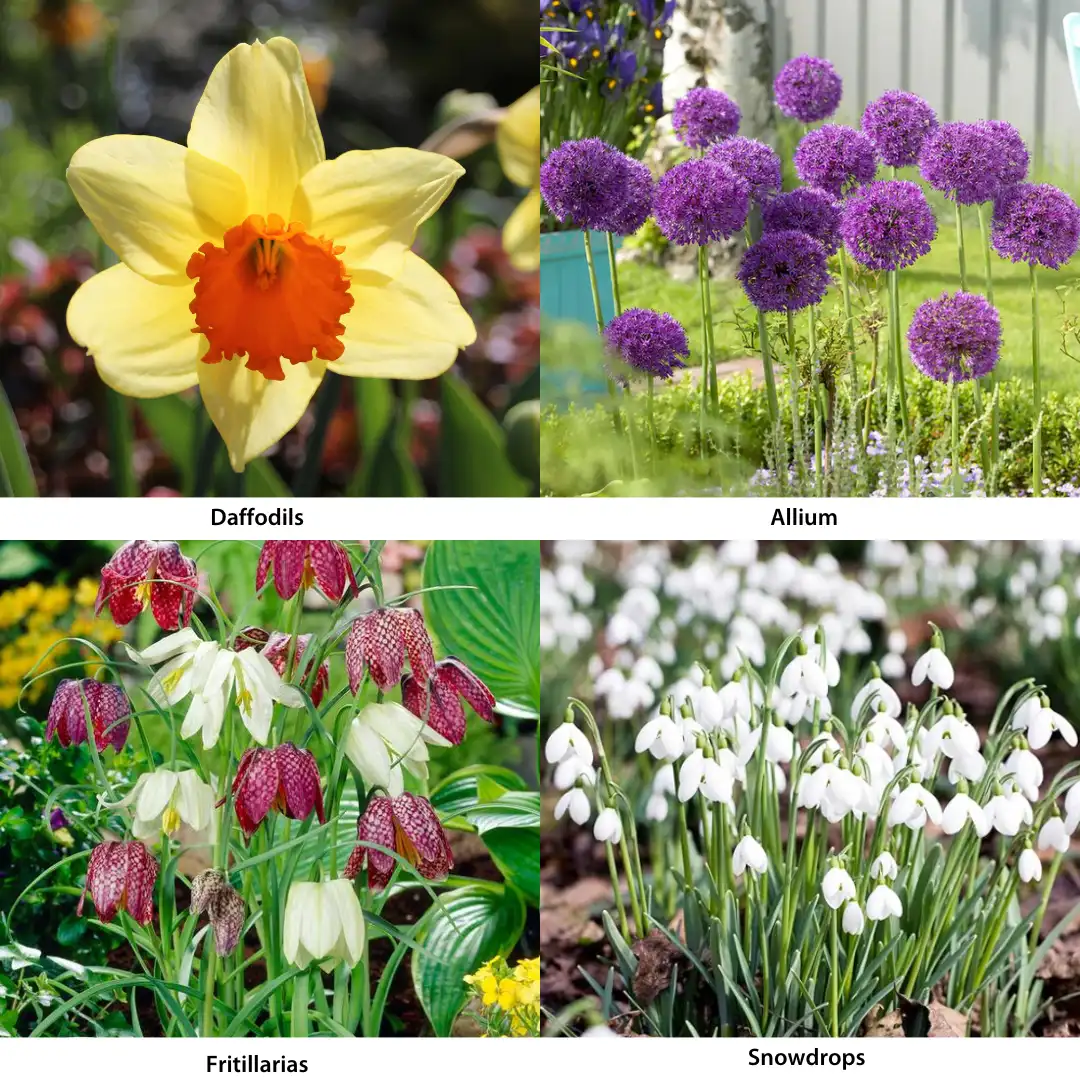
Daffodils (Narcissus): Daffodils stand as the gold standard for deer- and rabbit-resistant bulbs. Their natural toxic alkaloids make them deeply unappealing to animals, meaning your blooms will remain pristine throughout the season. Beyond their protective qualities, daffodils are remarkably hardy and virtually maintenance-free. Choose from classic sunny yellow trumpets, elegant white varieties, or charming pink-tinged cultivars. They naturalize beautifully, returning year after year with even more blooms.
Alliums (Ornamental Onions): These architectural beauties add drama to any spring garden with their distinctive globe-shaped flowers. The onion-family scent that gives them their common name also serves as a natural deer and rabbit repellent. Alliums bloom slightly later than daffodils, extending your spring color display well into early summer. Their striking purple, pink, or white spheres create stunning focal points and work beautifully in both formal and naturalistic garden designs.
Fritillarias: For those seeking something truly distinctive, fritillarias deliver both visual impact and wildlife resistance. The Crown Imperial (Fritillaria imperialis) produces towering stems topped with downward-facing orange or yellow bells, while the delicate checkered lily (Fritillaria meleagris) offers charming nodding blooms with unique checkerboard patterns. Their musky scent keeps deer and rabbits at bay while adding exotic character to your garden.
Snowdrops (Galanthus): As one of the earliest spring bloomers, snowdrops often push through lingering snow to announce winter’s end. These petite white flowers naturalize readily under trees and along woodland edges. Their delicate appearance belies their toughness—both in terms of Minnesota winters and resistance to hungry wildlife.
Planting for Success in Minnesota
Timing is everything with spring bulbs in our region. Plant between late September and early November, giving bulbs enough time to establish roots before the ground freezes solid. Select a location with good drainage and at least partial sun. The general rule for planting depth is 2-3 times the bulb’s height, with the pointed end facing upward.
After planting, water thoroughly to settle the soil and encourage root development. A 2-3 inch layer of mulch provides insulation against temperature fluctuations while suppressing weeds.
Design Tips for Maximum Impact
Plant bulbs in generous clusters rather than single rows for a more natural, impactful display. Mix early, mid, and late-blooming varieties to extend the season of interest. Consider combining different heights and colors—tall alliums rising above a carpet of daffodils creates stunning layered interest.
Let Pleasant View Gardens Create Your Dream Spring Garden
With over 50 years of combined expertise serving the Lake Minnetonka and West Metro area, Pleasant View Gardens specializes in designing, installing, and maintaining beautiful, sustainable gardens that work with Minnesota’s unique climate and wildlife challenges.
Whether you’re looking to transform an entire property or simply want to add reliable spring color that deer and rabbits won’t destroy, our team can help. We’ll assess your site conditions, recommend the best bulb varieties for your specific location, and handle professional installation to ensure years of beautiful blooms.
Contact Pleasant View Gardens today for a free consultation:
📞 612-978-3487
Let us help you create a spectacular spring garden that returns more beautiful each year—without becoming a wildlife buffet.