
Summer brings warmth and growth to our gardens, but it also presents unique challenges for keeping plants healthy and well-hydrated. With the right knowledge and consistent care routines, you can maintain beautiful gardens, containers, and lawns throughout even the hottest months. Whether you’re nurturing vegetables, tending flower beds, or maintaining your lawn, proper watering techniques make the difference between struggling plants and flourishing gardens.
Basic Watering Guidelines
Timing is everything. Water your garden in the early morning or early evening when temperatures are cooler. Avoid midday watering with overhead sprinklers—the intense heat causes rapid evaporation, wasting water and leaving your plants thirsty. Always ensure plants are dry before nightfall to prevent fungal and bacterial issues that thrive in moist, warm conditions.
Don’t panic during extreme heat. Even well-watered plants may wilt during exceptionally hot and windy days. This is a normal protective response—the plant simply cannot absorb water fast enough to keep up with the rapid loss through its leaves.
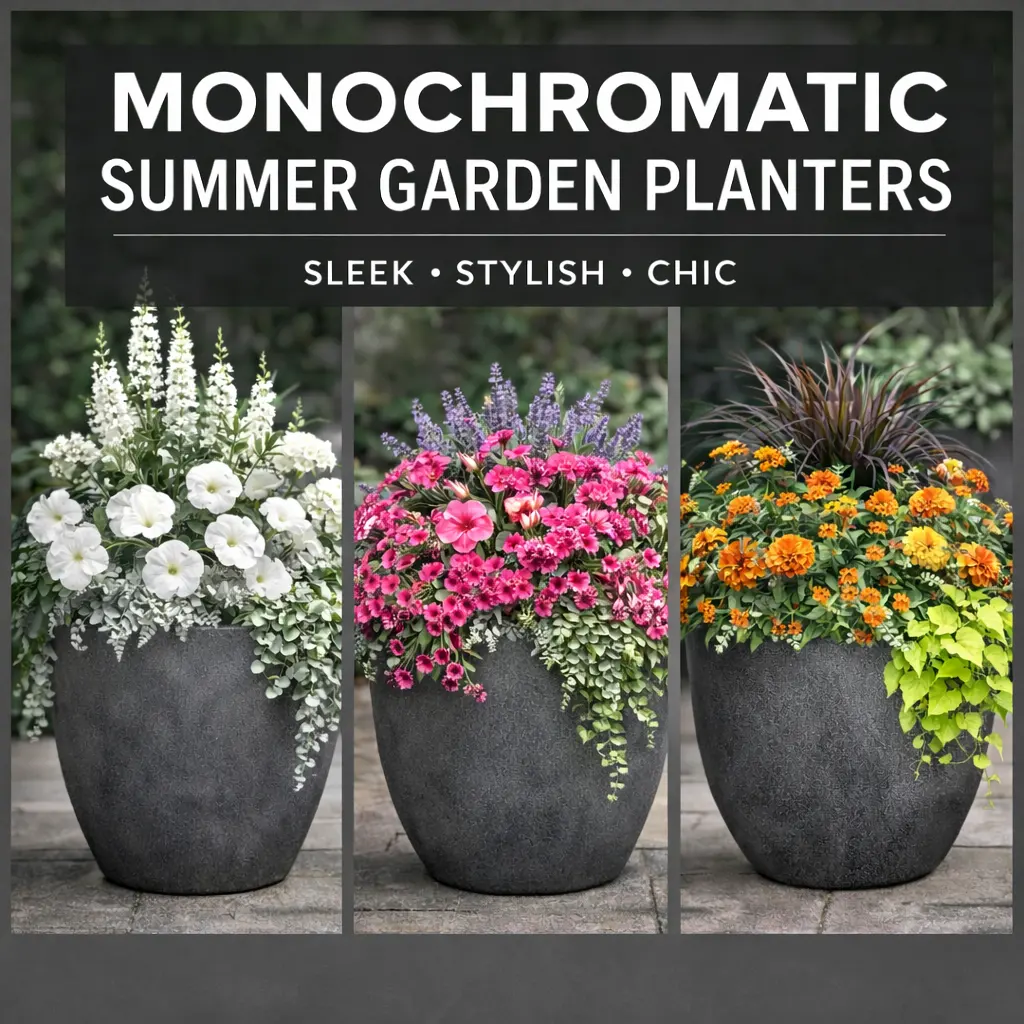
Container Gardens and Hanging Baskets: Special Care Required
Container plants face unique challenges during summer heat. They dry out much faster than ground-planted gardens and require more frequent attention.
Stay ahead of the watering schedule. Check containers daily and water before plants show signs of stress. Once container plants wilt, they can take several days to fully recover, even with proper watering.
The double-water technique: If water runs straight through your containers and out the drainage holes, wait 15 minutes and water again. This ensures the soil becomes completely saturated rather than just dampened on the surface.
Feed your containers regularly. Summer heat and frequent watering wash nutrients from container soil quickly. Begin fertilizing container gardens and hanging baskets regularly, and don’t forget that container-grown vegetables especially benefit from organic fertilizer applications.
Vegetable Gardens: Consistent Moisture for Better Harvests
Your vegetable garden needs approximately one inch of water per week for optimal growth and production.
Soaker hoses are your best friend. These efficient watering tools deliver water directly to the soil around plant roots, minimizing evaporation and reducing water waste. Unlike overhead sprinklers, soaker hoses keep foliage dry, reducing disease risk.
Mulch for moisture retention. Place straw (not hay, which contains seeds) around heat-loving crops like tomatoes, peppers, and eggplants. This organic mulch helps retain soil moisture, reduces watering frequency, and keeps roots cooler.
Lawns, Shrubs, and Perennials: Deep, Infrequent Watering
Established lawns, shrubs, and perennial plants thrive with deep, weekly watering rather than frequent light sprinklings.
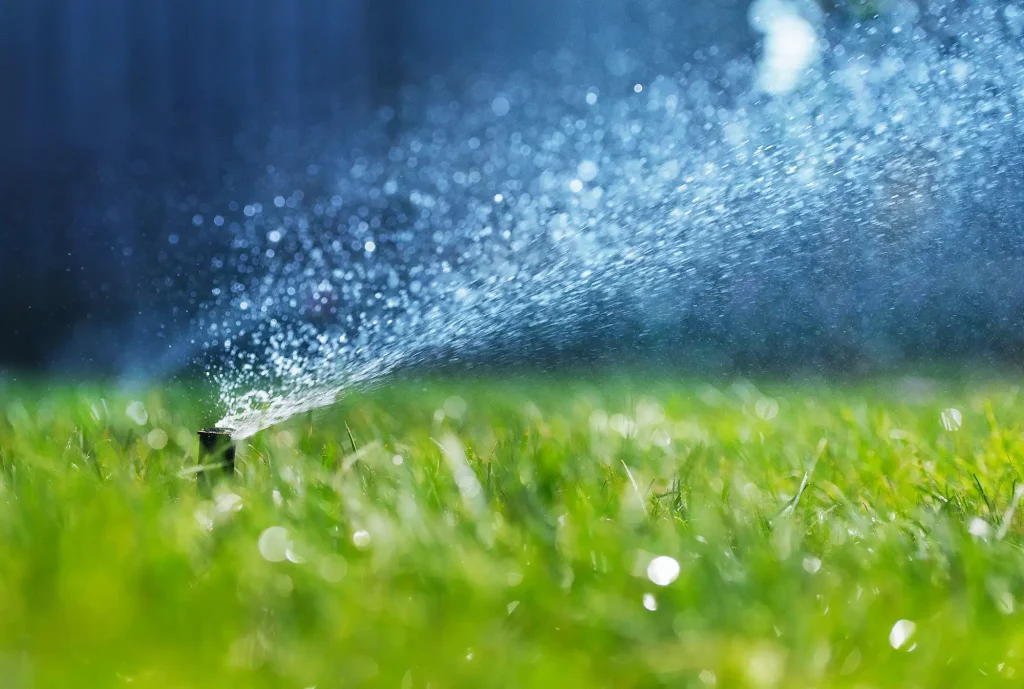
The one-inch rule applies here too. Deliver one full inch of water once per week rather than small amounts spread over several days. Use a rain gauge near your sprinklers to determine exactly how long it takes your system to deliver this amount—different sprinkler types vary significantly in their delivery rates.
Newly planted items need extra care. Recently planted shrubs, perennials, evergreens, and trees haven’t yet developed extensive root systems. These plants require more frequent watering until they become established, typically through their first full growing season.
Mulch reduces maintenance. Apply wood mulch around trees, shrubs, evergreens, and perennials. This protective layer reduces watering needs, keeps soil temperatures cooler, and suppresses weed growth.
Lawn Care Tips for Summer Success
Mow high for healthier grass. Keep your lawn at least three inches tall after mowing. Longer grass blades shade the soil surface, keeping it cooler and reducing moisture loss. This height also helps prevent weeds from establishing in your lawn.
Consistency prevents stress. Don’t wait until grass shows stress before watering. Proactive care prevents the brown patches and recovery time that come with drought stress.
Professional Support When You Need It
Summer garden care doesn’t have to be overwhelming. At Pleasant View Gardens, we understand the unique challenges of maintaining beautiful gardens through Minnesota’s variable summer weather. Our team brings over 50 years of combined experience in sustainable garden design and maintenance to help Lake Minnetonka and West Metro area homeowners create and maintain stunning outdoor spaces.
From garden design and installation to ongoing maintenance and seasonal containers, we’re here to help your garden thrive. Contact us at 612-978-3487 for a free consultation and estimate. Let our expertise help you enjoy a beautiful, healthy garden all season long.
Ready to transform your outdoor space? Our sustainable gardening methods and expert knowledge ensure your garden not only survives summer heat but flourishes through every season. Contact us today!