“The best time to plant a tree was 20 years ago. The second-best time is now.”
Planting a tree is a meaningful investment in your landscape, offering benefits for years to come. Selecting the right tree and ensuring proper planting and care are crucial to the tree’s health and growth. Here’s a step-by-step guide to help you navigate this process.
Choosing the Right Tree
When selecting a tree, consider the sun and shade conditions in the planting area. Does the location receive full sun, partial shade, or mostly shade throughout the day? Different tree species thrive under varying light conditions. For instance, maples and oaks prefer sunny spots, while dogwoods and redbuds are better suited for partial shade.
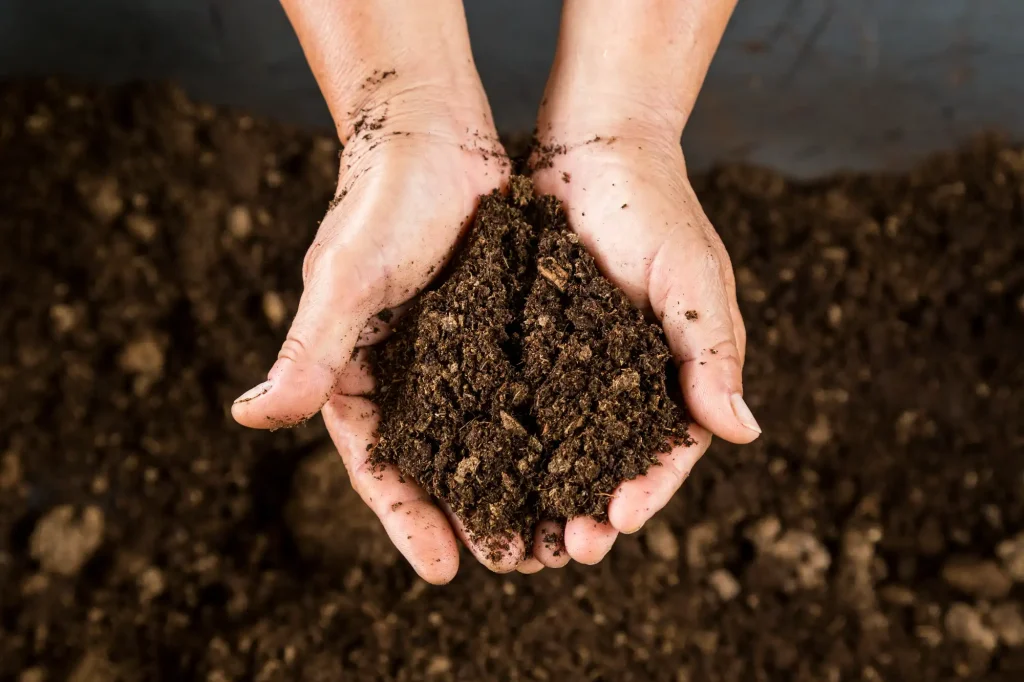
Soil conditions are another critical factor. Assess whether your soil is clay-based, compacted, or wet. These conditions can limit root growth and drainage. Trees such as river birch and swamp white oak are more tolerant of wet soils, while others may require looser, well-draining soil. If you’re unsure about your soil type or tree options, the University of Minnesota Extension Service provides excellent online resources to guide your decision.
Consider the tree’s mature height and width to avoid future problems. For example, planting a large tree under power lines or too close to buildings can lead to costly pruning or structural damage. Plan for the tree’s full growth potential to ensure it has ample space to thrive.
Preparing to Plant
When transporting your tree, handle it with care to avoid damage. Wrapping the trunk and branches can protect them from injury during transit.
Call before you dig! Before planting, always call 811 to locate underground lines and ensure safe digging. Prepare the planting hole carefully—it should be 1-2 times wider than the tree’s root ball, with rough, uneven sides to encourage root penetration. The hole’s width at the bottom should be as wide or wider than the top, promoting downward and outward root growth.
Planting and Mulching
Position the tree in the hole so the top of the root ball is level with or slightly above the ground. Backfill with the original soil, gently packing it to eliminate air pockets. Water thoroughly to settle the soil.
Apply a 2-4 inch layer of mulch around the tree, leaving a small gap around the trunk to prevent moisture build-up and rot. Mulch helps retain soil moisture, regulate temperature, and reduce weed competition.
Watering and Care
Water your tree consistently, especially during the first year, to establish strong roots. Deep watering once a week is often sufficient, depending on rainfall and soil conditions. Continue watering until the ground freezes.
For winter protection, shield the trunk with a tree guard or wrap to prevent damage from frost, rabbits and deer. Evergreens should be planted no later than October 1 to ensure they establish before winter, while deciduous trees can be planted until the ground freezes.

Long-Term Commitment
Remember, trees are an investment in the future, providing shade, beauty, and ecological benefits. By selecting the right tree, planting it correctly, and providing ongoing care, you’ll ensure your tree thrives for generations to come. The Pleasant View Gardens sales team can come out and help you determine the correct tree for your project and get you an estimate for installing it.
If you are in the Wayzata/West Metro area of the Twin Cities contact Pleasant View Gardens today or call 612-978-3487 to schedule a free consultation.